
Testo Boosters: Natural vs Compound-Based — Which Works Better?
The testosterone-boosting supplement market is enormous. Here's an honest analysis of what actually works.
Testo Boosters: Natural vs. Compound-Based — Which Works Better?
The supplement industry is flooded with promises of peak performance, enhanced libido, and rapid muscle gains. At the center of this multi-billion-dollar market sit "testosterone boosters," products marketed to men looking to recapture their vigor. But with countless bottles lining the shelves, it’s difficult to distinguish between legitimate physiological support and expensive marketing hype. If you are struggling with a flagging sex drive or waning gym performance, understanding the difference between natural botanical boosters and compound-based alternatives is the first step toward reclaiming your health.
Natural Boosters: The Foundation of Hormonal Support
Natural testosterone boosters typically rely on vitamins, minerals, and herbal extracts like Ashwagandha, Fenugreek, and Tongkat Ali. These supplements do not "add" testosterone to your body; rather, they aim to optimize your existing hormonal environment.
For instance, Zinc and Vitamin D are essential building blocks for hormone production. If you are deficient in these, supplementation can lead to a significant rise in testosterone levels. Similarly, adaptogens like Ashwagandha help manage cortisol—the "stress hormone." Because cortisol and testosterone have an inverse relationship, lowering your stress can effectively liberate your body to produce more testosterone. These options are generally safer, carry fewer side effects, and are best viewed as "optimizing" tools rather than "magic bullets."
Compound-Based Alternatives: The Heavy Hitters
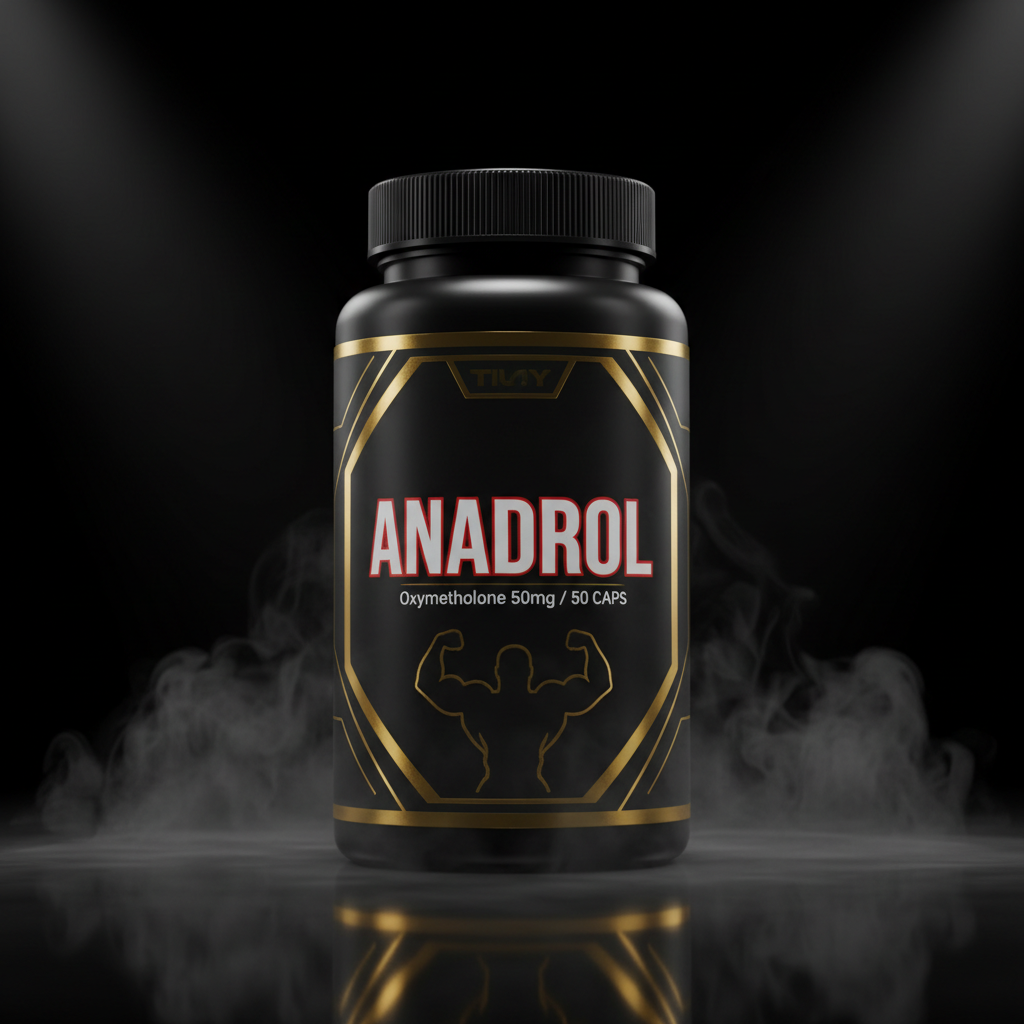
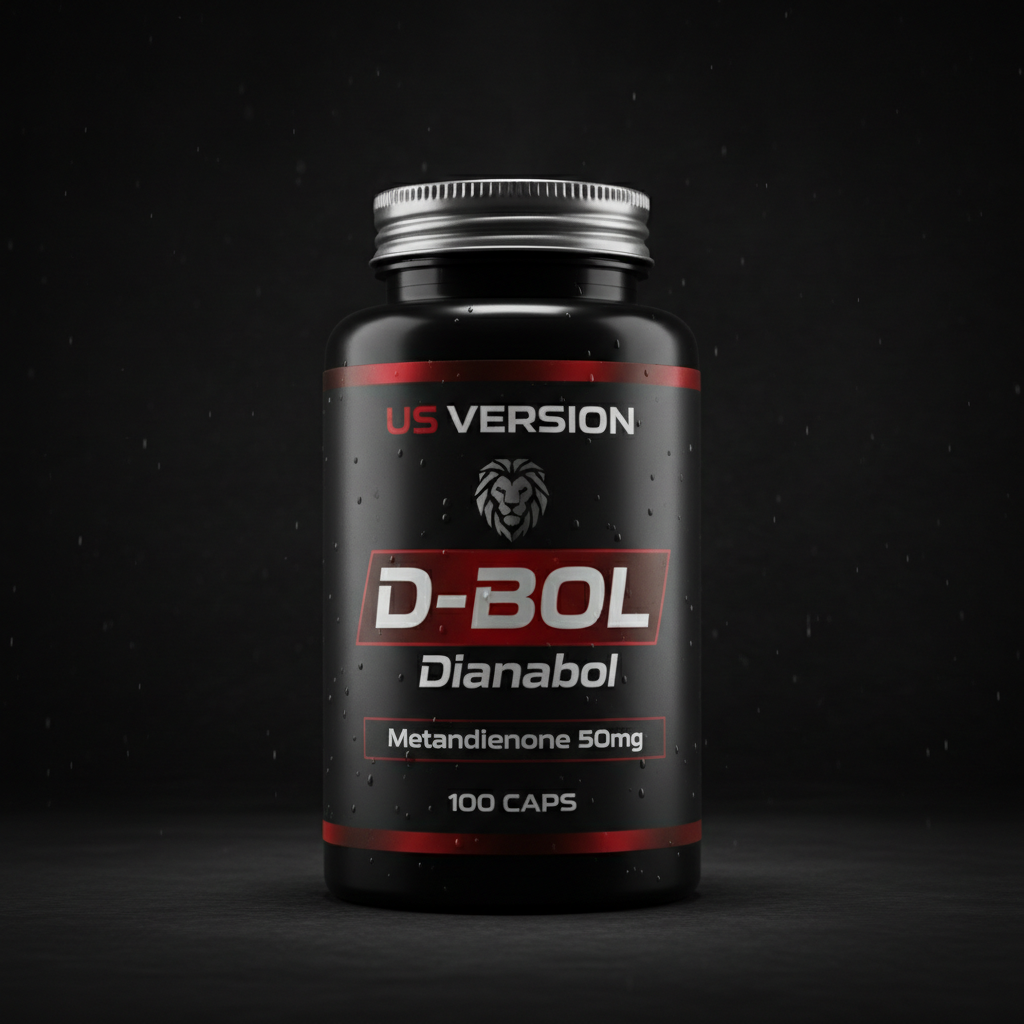
Compound-based products—often referred to as pro-hormones or performance-enhancing compounds—operate on an entirely different level. These substances are designed to chemically mimic or directly influence hormonal pathways to force an increase in androgen levels.
While these compounds are undeniably effective at boosting muscle mass and driving up libido in the short term, they come with significant risks. They can suppress your body’s natural ability to produce testosterone, lead to liver toxicity, and cause cardiovascular strain. For most average fitness enthusiasts, the long-term cost to their endocrine health far outweighs the temporary benefits. These are not dietary supplements in the traditional sense; they are potent substances that require medical supervision.
Practical Tips for Natural Optimization
Before reaching for a bottle, consider these actionable steps to naturally elevate your hormone levels:
* Prioritize Sleep: Quality sleep is non-negotiable. Most of your testosterone is produced while you sleep; even a few nights of poor rest can cause a measurable dip in levels.
* Lift Heavy: Focus on compound movements like squats, deadlifts, and presses. These exercises place significant demand on your nervous system and elicit the highest hormonal response.
* Watch Your Macros: Ensure you are getting enough healthy fats. Testosterone is derived from cholesterol; a diet too low in fat can stifle hormone synthesis.
* Get Blood Work Done: Stop guessing. Visit a doctor to check your baseline levels. Supplementing without a confirmed deficiency is often a waste of money.
Conclusion
When it comes to boosting your sex drive and vitality, there is no substitute for a solid foundation of nutrition, recovery, and training. While natural supplements can provide a helpful nudge by correcting deficiencies and managing stress, compound-based interventions often carry risks that aren't worth the reward for the average individual. Focus on optimizing your lifestyle first—your hormones will thank you with sustained energy and improved drive.