
Gut Health for Athletes: Why Your Microbiome Affects Performance
Your gut is your second brain — and it directly affects nutrient absorption, immune function, and even mood during training.
Gut Health for Athletes: Why Your Microbiome Affects Performance
For years, the fitness industry focused almost exclusively on macro-counting and training intensity. However, a silent powerhouse is currently shifting the landscape of sports science: the gut microbiome. Your digestive tract is often referred to as your "second brain," housing trillions of bacteria that regulate everything from nutrient absorption to immune resilience. For an athlete, the gut isn't just about digestion; it is the engine room that determines whether your training leads to a personal best or a bout of burnout. If your internal ecosystem is out of balance, even the most perfect training program and high-quality supplementation will struggle to yield optimal results.
The Performance-Gut Connection
The relationship between your gut and your athletic performance is foundational. First, consider nutrient bioavailability. You can consume the highest quality protein and complex carbohydrates, but if your gut lining is compromised—a condition often called "leaky gut"—your body cannot effectively absorb these vital nutrients to repair muscle tissue.
Furthermore, your microbiome plays a starring role in immune function. Intense training cycles put significant stress on the body, which can temporarily suppress the immune system. A robust gut microbiome acts as the first line of defense, preventing the systemic inflammation that often leads to prolonged recovery times and illness. When your gut flora is balanced, you spend more days in the gym and fewer days sidelined by fatigue.
Strengthening Your Internal Ecosystem
Optimizing your gut health doesn't require a radical overhaul of your life; it requires consistency in three key areas: diversity, fiber, and timing.
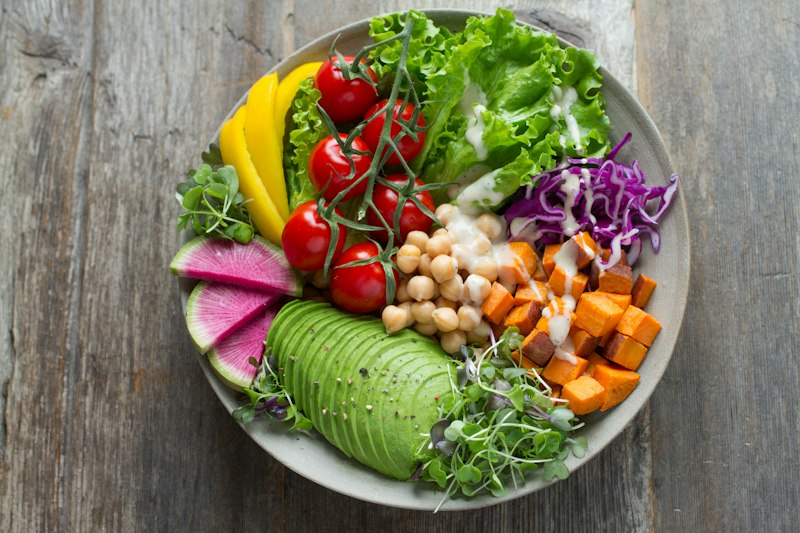
* Prioritize Fermented Foods: Incorporate probiotic-rich foods like kimchi, sauerkraut, kefir, and Greek yogurt into your daily routine. These provide "friendly" bacteria that replenish your microbiome after the stress of high-intensity workouts.
* Feed the Microbiota: Prebiotics are the fuel for your good bacteria. Focus on high-fiber foods like garlic, onions, bananas, and oats. Fiber is the unsung hero of gut health, providing the substrate your bacteria need to produce short-chain fatty acids (SCFAs), which are crucial for energy production and reducing systemic inflammation.
* Manage Training Stress: Chronic stress, both physical and psychological, alters gut motility and bacterial composition. Ensure you are scheduling adequate deload weeks and prioritizing sleep. Your gut needs rest just as much as your quadriceps do.
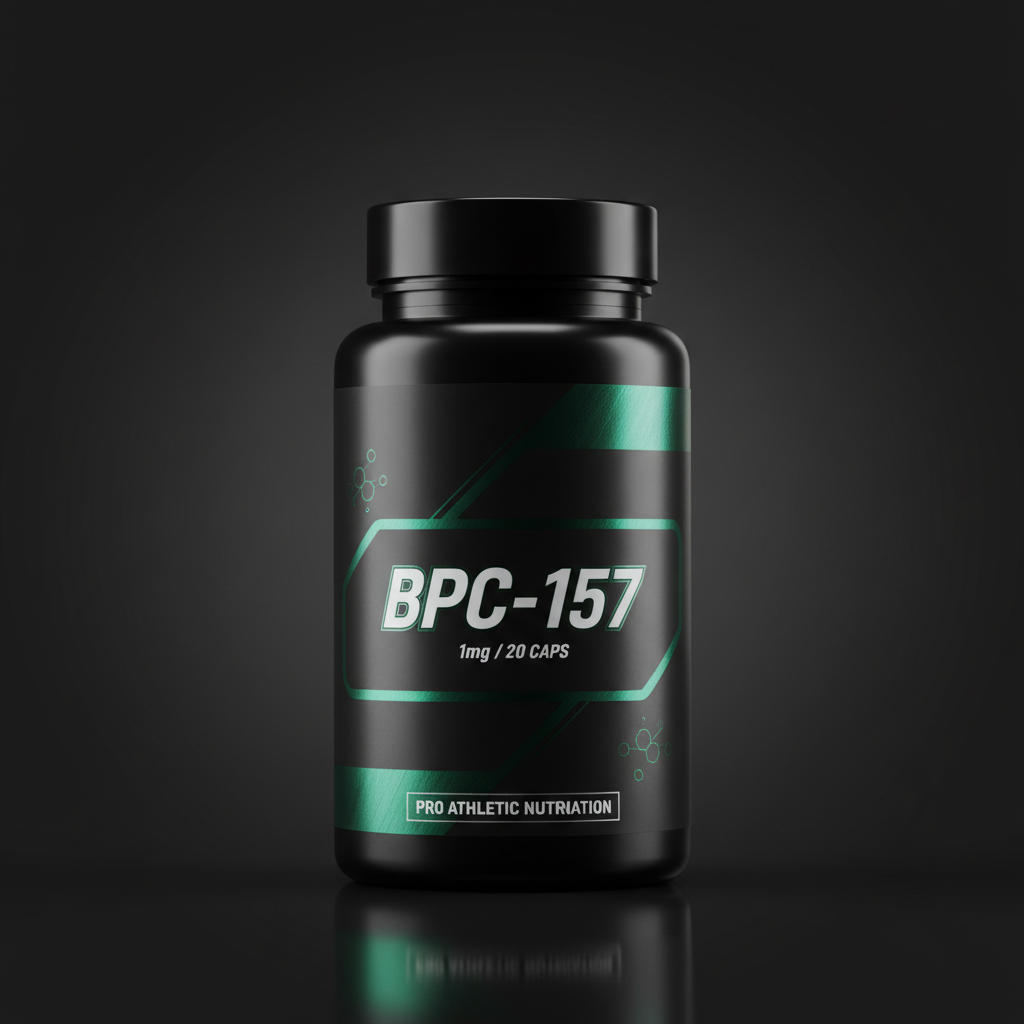
* Supplement Wisely: If you struggle with digestion, consider a high-quality, multi-strain probiotic supplement. However, avoid reliance on quick fixes; supplementation is designed to support a foundation built on whole foods, not to replace it.
The Bottom Line
Ultimately, the path to peak performance is paved from the inside out. By prioritizing your gut health, you aren’t just improving your digestion—you are upgrading your immune system, enhancing your body’s ability to recover, and ensuring that every gram of fuel you consume actually serves your fitness goals. Start by adding one fermented food to your daily intake and paying closer attention to how your gut responds to specific training loads. Treat your microbiome with the same respect you give your training plan, and your body will reward you with newfound levels of power and resilience.