
Grip Strength: The Forgotten Pillar of True Athletic Power
Your grip is your limiting factor in deadlifts, rows, and carries. Here's how to build iron grip strength.
Grip Strength: The Forgotten Pillar of True Athletic Power
In the pursuit of personal records and sculpted physiques, we obsess over squat depth, bench press volume, and deadlift technique. Yet, there is one anatomical link that frequently goes ignored until it becomes the inevitable bottleneck of your progress: your grip. Whether you are struggling to lock out a heavy deadlift or feeling your forearms give out during a grueling set of pull-ups, your hands are likely the limiting factor. Grip strength is far more than just a party trick for crushing apples or opening jars; it is the fundamental bridge between your nervous system and the external weight. If you cannot hold it, you cannot grow it.
The Neurology of the "Irradiation Effect"
Grip strength is intimately tied to a concept known as irradiation. When you squeeze a barbell or a dumbbell with maximum intensity, you aren't just engaging your fingers and forearms; you are signaling your entire central nervous system to fire more forcefully. By gripping the bar with white-knuckle intensity, you create a ripple effect of tension that travels up your arms into your lats, shoulders, and core.
This neural activation is why powerlifters often see an immediate jump in their lifts when they focus on "breaking the bar" or squeezing the handle as hard as possible. Think of your grip as a conduit for power. If that conduit is weak, your body instinctively throttles back the amount of force it is willing to produce, preventing you from reaching your true potential.
Building Iron: Practical Training Strategies
To build a grip that matches your strength, you must move beyond basic lifting and incorporate specific, targeted training. Here is how to turn your hands into steel:
* Implement Static Holds: The simplest way to build endurance and structural integrity is the Farmer’s Carry. Pick up the heaviest dumbbells you can manage and walk with a tall posture. The fight against gravity will force your forearms to adapt rapidly. Aim for 30–60 seconds per set.
* Utilize Thick-Grip Training: Wrapping a towel around a pull-up bar or using fat grips on dumbbells increases the diameter of the handle. This forces your hand muscles to work through a wider range of motion and creates a massive challenge for your thumb and fingers.
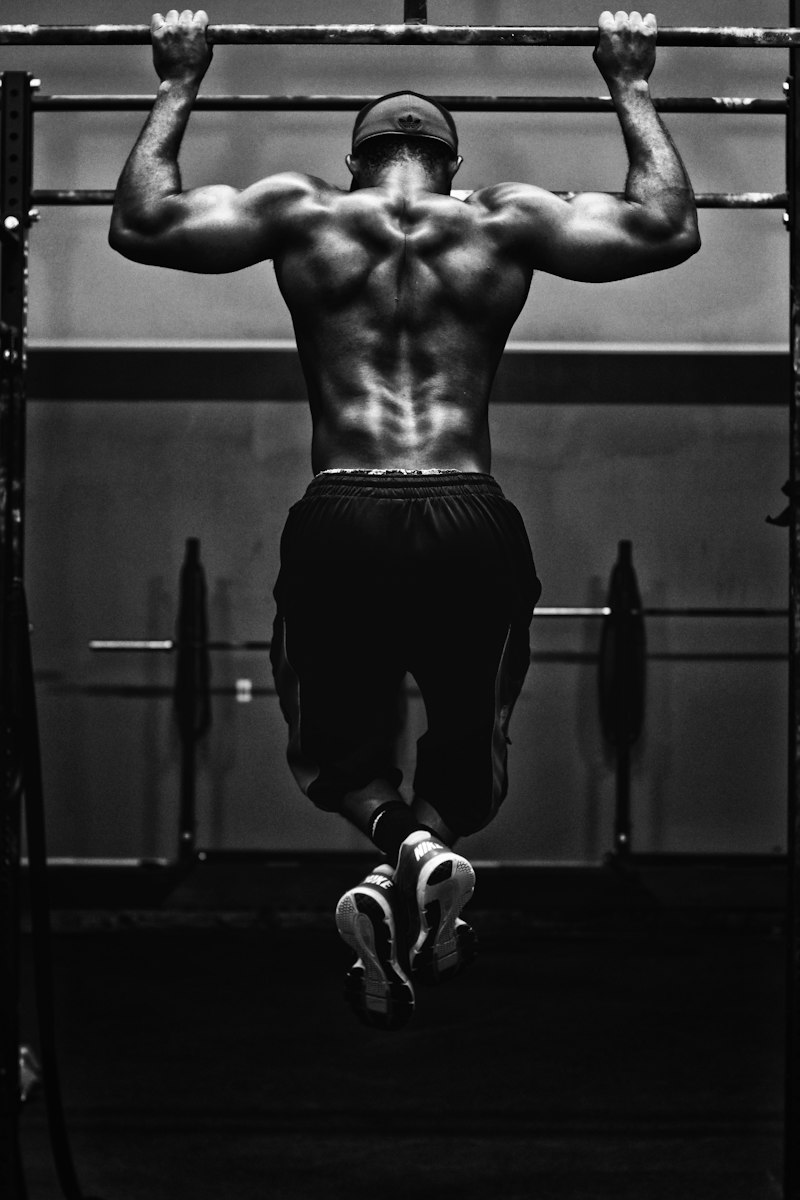
* Negative Hangs: For those aiming to master the pull-up, incorporate dead hangs at the end of your workouts. Hanging until failure builds phenomenal tendon strength in the elbows and forearms.
* Strategic Supplementation: While training is primary, ensuring your body has the raw materials to recover is vital. A high-quality creatine monohydrate supplement can assist in maintaining high-intensity output, while adequate magnesium intake is essential for preventing the muscle cramping that often occurs during high-volume grip work.
The Foundation of Longevity
Grip strength is one of the most reliable biomarkers for overall health and longevity. Studies have consistently linked a strong grip to lower mortality rates and better cardiovascular health. By prioritizing your grip, you aren't just adding pounds to your deadlift; you are investing in a more robust, capable version of yourself. Stop treating your hands as an afterthought. Start squeezing harder, training with intent, and watch as your entire performance foundation solidifies. Iron sharpens iron—make sure your hands are ready for the challenge.