
The Ultimate 12-Week Bulking Cycle Guide
Everything you need to plan a successful 12-week bulking cycle — compounds, nutrition, training split, and PCT.
The Ultimate 12-Week Bulking Cycle Guide
If you have spent months grinding through maintenance phases or cutting, the transition to a dedicated 12-week bulk is where true transformation happens. A "bulk" isn't just an excuse to eat everything in sight; it is a calculated, high-intensity period designed to maximize muscle protein synthesis and strength gains. To come out the other side with quality mass rather than just unwanted fat, you need a blueprint that integrates nutrition, training, and recovery. This guide outlines the pillars of a successful 12-week cycle to help you pack on size efficiently.
The Foundation: Nutrition and Progressive Overload
Muscle growth is a demanding process that requires a consistent caloric surplus. You should aim for a surplus of 300–500 calories above your Total Daily Energy Expenditure (TDEE). This provides the energy necessary for hard training while minimizing excessive fat gain. Prioritize macronutrient density: aim for 1 gram of protein per pound of body weight, moderate-to-high carbohydrates to fuel your workouts, and healthy fats for hormonal support.
Nutrition alone won't force growth without a stimulus. Your training must revolve around compound movements—squats, deadlifts, bench presses, and overhead presses. These lifts recruit multiple muscle groups, triggering a greater systemic hormonal response. Implement progressive overload by tracking every session; your goal is to increase weight, reps, or sets every single week. A "Push/Pull/Legs" split is often superior for bulking, as it allows for optimal volume while ensuring each muscle group is hit twice per week.
Recovery and Strategic Supplementation
The gym is where you break muscle down; sleep and rest are where you build it back up. During a 12-week cycle, prioritize 7–9 hours of quality sleep. This is when your body releases growth hormones and repairs tissues. If you feel your performance stalling, take a deload week at the end of week six to allow your central nervous system to recover.
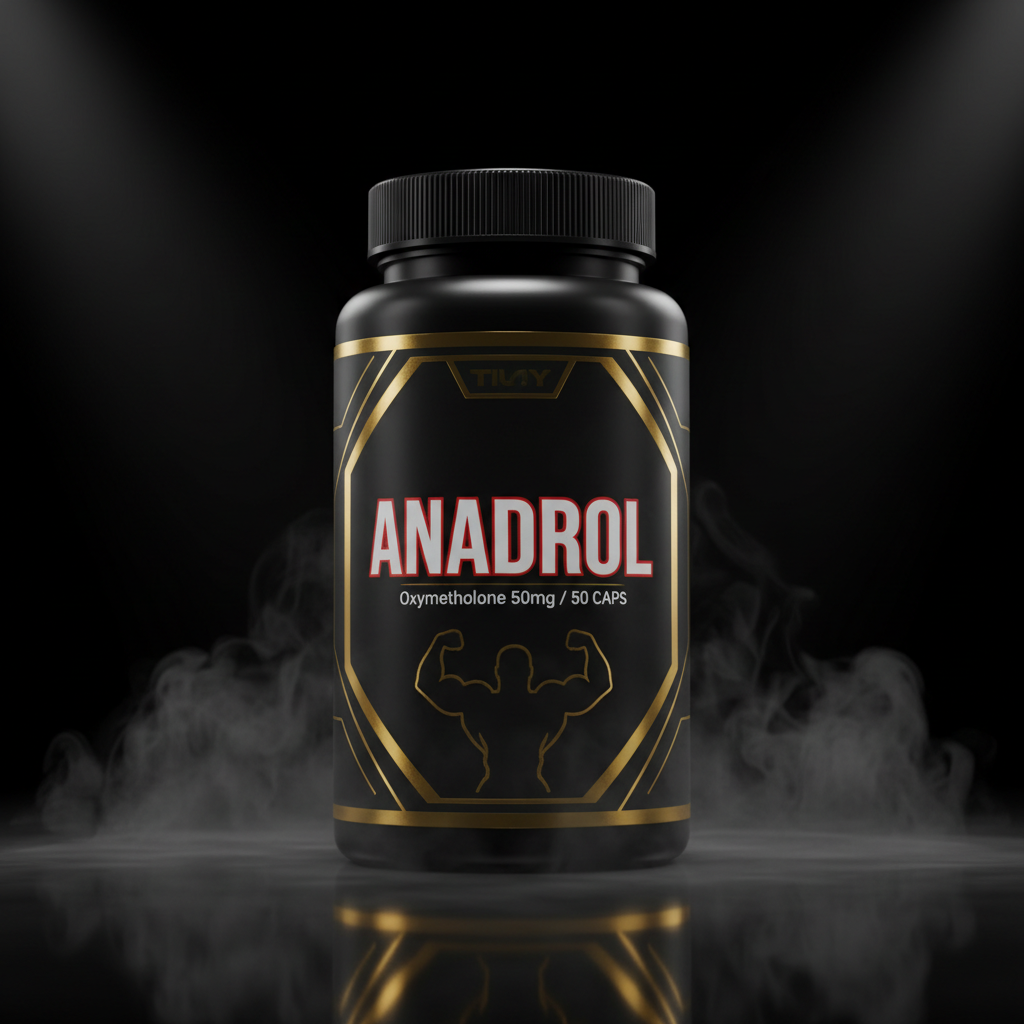
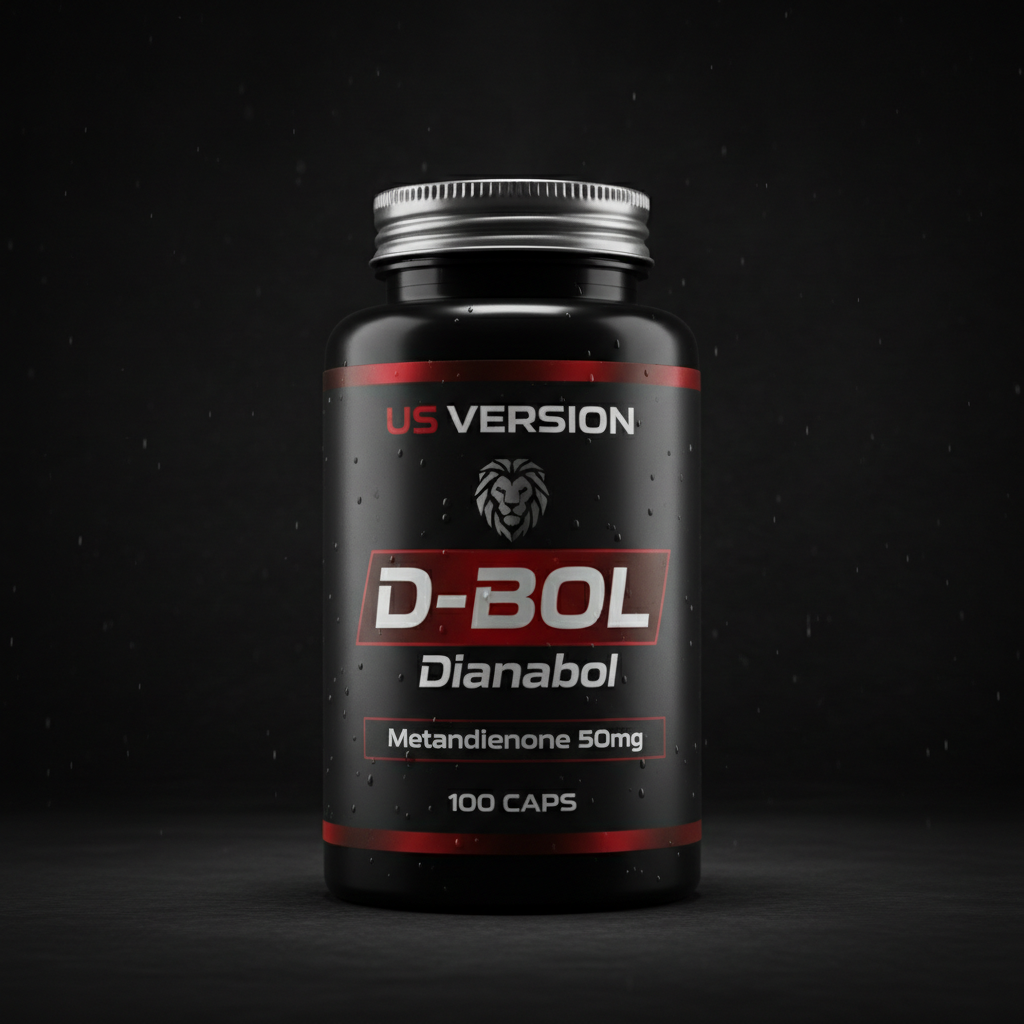
Regarding supplementation, keep it simple. Creatine Monohydrate remains the gold standard for increasing power output and muscle fullness. A high-quality whey protein or plant-based alternative is useful for hitting your daily intake, while BCAAs or EAA formulas can support recovery during high-volume sessions. If you are utilizing advanced performance-enhancing protocols, ensure you have a Post-Cycle Therapy (PCT) plan ready. PCT is essential to help your body’s natural hormonal production recover safely after an intensive cycle. Always consult with a professional regarding health markers, such as blood work, both before and after any performance-focused cycle to ensure your internal health remains a priority.
Commit to the Long Game
A 12-week bulking cycle is a marathon, not a sprint. Consistency is the primary factor that separates those who gain "dirty" weight from those who build a competitive physique. Monitor your weight gain; aim for 0.5 to 1 pound of weight gain per week. If you exceed this, adjust your calories downward to keep fat gain in check. Stay disciplined with your tracking, push through the plateaus, and remember that the gains you make in these 12 weeks will serve as the foundation for your future aesthetic goals. Eat big, train hard, and stay the course.